
Introduction
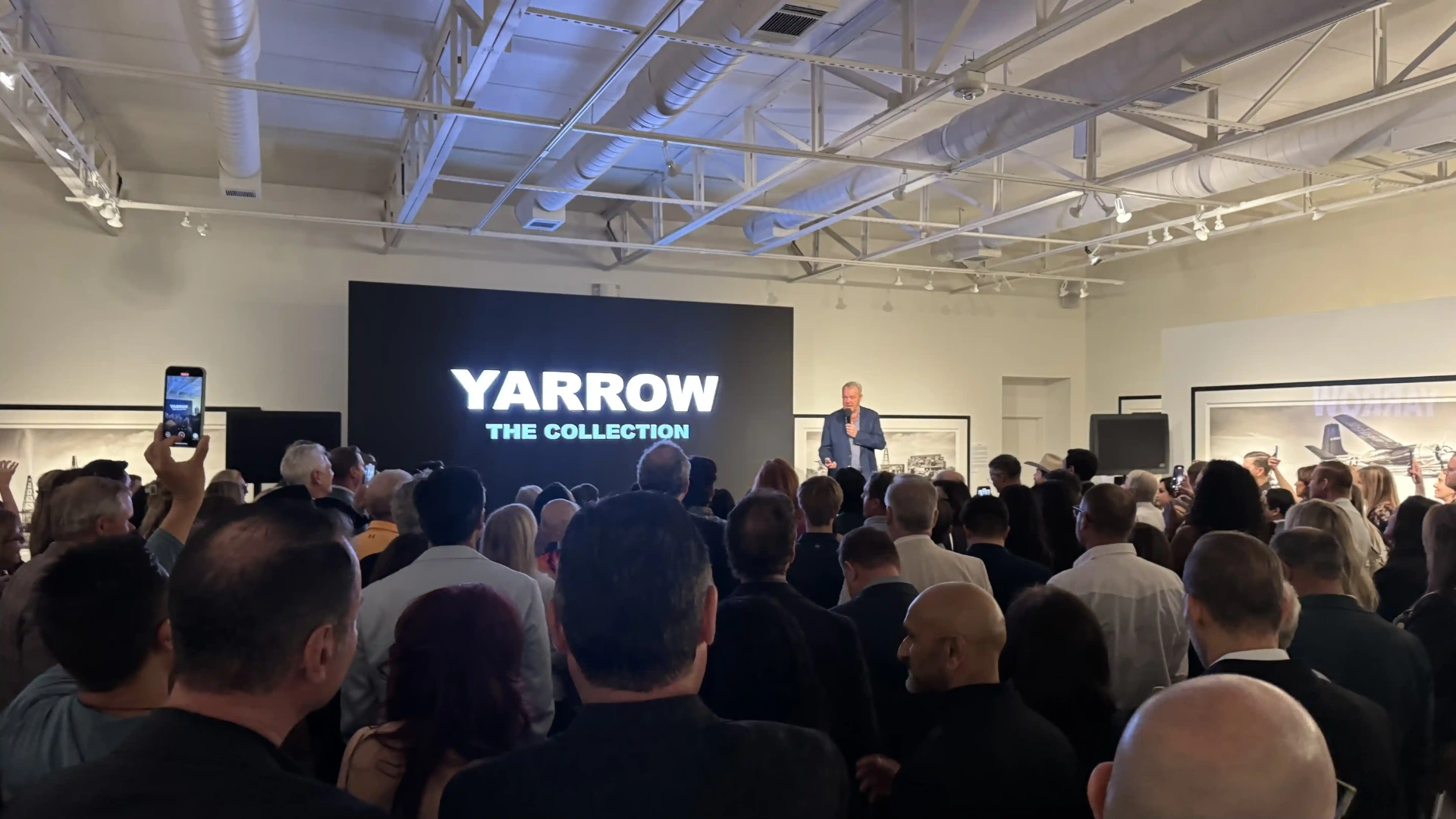
In recent years, LED video walls have become popular for live events. These screens provide bright and clear images while also grabbing the attention of people at any event. LED screens are used at weddings, concerts, trade shows, conferences, and sponsorship activations. They make events look professional.
Many people ask one question. How much does it cost to rent an LED video wall screen? The answer depends on different factors, and In this blog, we will explore the details in simple words so you can plan better.
What is an LED Video Wall Screen?
An LED video wall screen is a large display made by joining many LED panels. These panels work together to show one big image or video. These displays are bright and easy to see from far with their sharp images. As mentioned earlier, large direct-view LED screens are popular for events, concerts, sports, and trade shows.
Why Rent an LED Screen Rather Than Buy?
LED walls are expensive to purchase. When you rent a led screen, you avoid high upfront costs with maintenance, storage, and transportation logistics. Also, when you rent, you get support: delivery, installation, and technical staff.
Lastly, with renting, you can also choose the size and resolution just for that event. Buying locks you into one configuration. Renting gives flexibility.
Key Factors That Affect Rental Cost
Many things change how much you pay to rent an LED wall. Here are key factors:
Size and Number of Panels
Larger screens cost more. More panels mean more cost. For example, a video wall made of 40 panels costs more than one with 20 panels. Some firms estimate the cost per panel.
Type: Mobile vs Modular
Mobile LED screens are pre-built on trailers or trucks. They often cost less to set up. Modular screens are assembled on site from tiles or panels. They allow custom shapes, but require more labor. Thus, modular types often cost more.
Resolution and Pixel Pitch
Higher resolution (smaller pixel pitch) results in sharper images, but because of this, the cost to rent is higher. A screen with a pixel pitch of P1.5 mm is costlier than one with a pixel pitch of P2.6 mm. This is because the rental firm must invest more in pixel technology.
Brightness and Outdoor Readiness
Outdoor screens require higher brightness pixels to counteract direct sunlight. Because of this, a weatherproofing design requires a higher up-front cost to invest in, which increases the overall rental cost. Furthermore, outdoor-rated LED panels cost more not only from a hardware perspective but also in rigging, as weather can create a safety hazard if not properly secured..
Setup, Labor, and Logistics
On any rental, paying for delivery, rigging, installation, operation, and removal is standard. If the site is remote or difficult to access, labor costs will increase. Also, depending on the creative vision, it might be necessary to pay for operators or technicians during the event.
Duration of Rental
The first day is often most expensive. Additional days may cost less per day. Many providers lower the daily rate for multi-day rentals.
Region and Vendor Markup
Rental prices differ by country, city, or vendor. In large markets, competition may reduce costs. In remote or niche places, prices may be higher. Also, vendor margin and overhead affect pricing. For northeast pricing please refer to Primal Sounds pricing guide page.
Typical Cost Ranges: What to Expect
It helps to see real numbers, though they vary a lot.
Lower Small Setup
For a small LED wall (for example, modest indoor size), rental costs can begin around $2500 to $5,000 per day, depending on the region and specs.
Mid-Sized to Larger
A more solid estimate for a medium to large LED screen (e.g. 10 to 12 feet wide) is $3,500 to $6,000 for one day.
Smaller DIY or underground event panels (e.g. P1.9 LED) are sometimes rented for $400-$600 per day (in some markets).
What “Per Panel” Cost Looks Like?
Some suppliers charge by the panel. Pricing can range from $55/day to $85/3 day week for indoor P2.6. Normally, this price does not include the cables, video processor, rigging, labor, transportation or any other costs. This is the bare baseline number. A 16’ x 9’ screen will use 60 tiles. 60 x $55 = $3,300.
How the Rental Process Works?
Understanding the process helps you manage cost surprises.
Requesting a Quote
You contact rental companies and give details: event location, size you want, indoor or outdoor, resolution, duration, and load-in logistics. They will propose options and costs.
For a quote from CMG Visuals, visit this link to fill out a quick response. Once we have the completed details we can give you an answer within 30-60 minutes.
Contract and Deposit
Once you choose a vendor, you sign a contract. Usually there is a deposit (often 50% of the total) required ahead of time. Some deposits are nonrefundable.
Preparation
Before the event, it is best to work with the rental house by sending in videos and images. The AV team will test and map the content so it displays properly on the LED wall.
Setup and Operation
On event day (or earlier), technicians arrive to install the LED wall, power it, and test. During the event, they monitor and operate the display to avoid errors.
Teardown and Pickup
After the event, the team takes down the wall. They pack it and return it safely. You may pay for this teardown service in your total cost.
Tips to Control or Reduce Rental Cost
You can manage costs smartly by making decisions ahead:
- Select the right screen size for the venue.
- Go for a lower resolution when the audience is far. P2.6 is the standard for indoor and works best for most situations.
- Book for fewer days.
- Ask about discounts for repeated rentals.
- Work with local vendors to avoid hefty delivery charges. This helps in budgeting.
Conclusion
LED video wall rentals are not cheap, yet they create a big impact. Costs vary with size, quality, and setup place. Prices often begin at a few thousand dollars and can climb much higher.
Comparing rental quotes is always smart. Check what services are included. Renting is flexible and avoids high purchase costs. It is a smart choice for short-term use.
FAQs
Is renting cheaper than buying an LED screen?
Yes, renting is much cheaper. Buying costs thousands, while renting is affordable for short use.
Do indoor LED screens cost less to rent than outdoor ones?
Yes, indoor LED walls are cheaper. Outdoor LED walls need higher brightness, weatherproofing, and special rigging.
How do rental companies calculate LED screen prices?
They calculate by size, resolution, duration, and setup needs.
Does delivery and transport add to the rental fee?
Yes, delivery, transport, and setup add on an extra cost.
How far in advance should I book an LED screen?
Book at least 2-4 weeks early. Big events may need even more time to secure the inventory to rent.